
Atomic design systems
One source of truth for product, marketing and motion
We build atomic design systems for startups: tokens, components and rules that your designers, your developers and their AI tools all read the same way.
Why atomic?
Atomic design builds an interface from the smallest parts up. Tokens (colour, type, spacing, radius, motion) make atoms like buttons and inputs. Atoms make molecules like cards and form rows. Molecules make screens.
When everything traces back to the same tokens, a change in one place reaches everywhere: the app, the marketing site, the pitch deck, the showreel. And because the names match in Figma and in code, AI agents can check and extend the system without guessing.
What you get
- Design tokens as Figma variables, with the same names as in your code.
- Atoms and molecules with every state: default, hover, pressed, disabled, error, empty, loading.
- Component specs in plain words, readable by people and by AI tools.
- Motion tokens, so movement stays consistent too.
- Audits that keep it honest: AI agents flag raw values that should be tokens, and missing states, before they reach production.
Example
The Lula design system
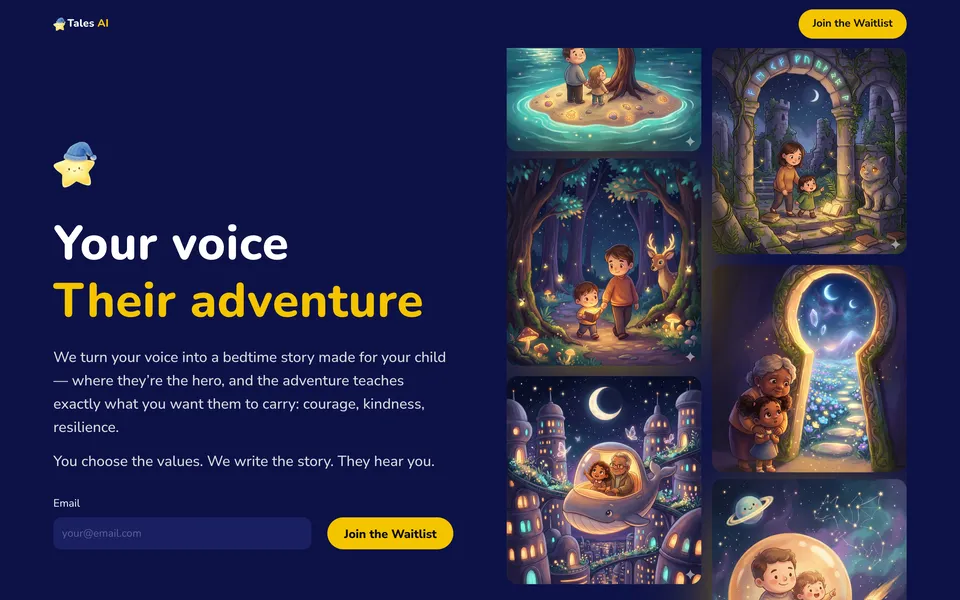
For Lula, an AI bedtime-story app, the client's developers built the app straight from this Figma system.
design tokens as Figma variables
component variants across 17 atoms
molecules built from those atoms
Also
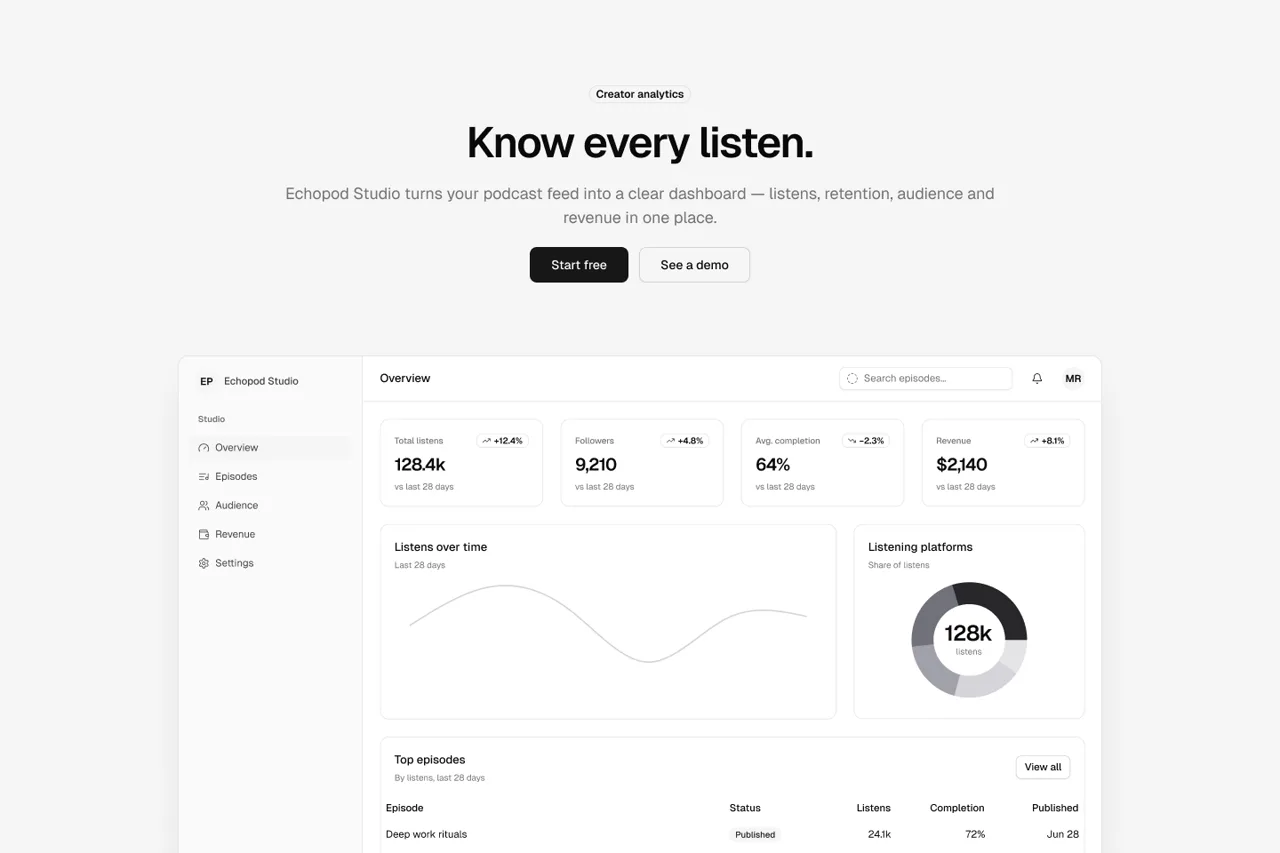
Echopod Design System
One source of truth for a creator-analytics product across mobile and web: stat cards, charts, tables and navigation, all from one set of tokens.
FAQs
Do we need a design system this early?
You need its foundations: tokens and a handful of core components. They cost little at the start and save a rebuild later.
Can you fix our existing Figma file?
Yes. We audit it, bind raw values to tokens, rename layers to match the code and fill in missing states.
Does it work with AI coding tools?
That is the point of naming tokens the same in Figma and code: Cursor and Claude Code can use them without translation.


Send us your messiest brief.
Senior design, sped up by AI, decided by people.